The Hidden Universe Within:
When most people think about health, they picture organs like the heart, lungs, or brain. But one of the most influential systems affecting how you feel each day is something you can’t see — a vast, microscopic world inside your digestive system known as the gut microbiome.
In the last decade, research into gut health has exploded, revealing groundbreaking connections between the microbiome and digestion, mood, immunity, inflammation, and even chronic disease. More and more, the gut isn’t just viewed as part of the body — it’s recognized as a major control center for your entire well-being.
This long-form guide will help you understand what the microbiome is, why it matters, how it affects your physical and emotional health, and what you can do right now to support it.
What Exactly Is the Gut Microbiome?
Your microbiome is a diverse community of trillions of microorganisms — bacteria, fungi, viruses, and other tiny life forms — that live primarily in your large intestine. While the idea of bacteria living inside you might sound odd, these microbes are not only beneficial but essential for life.
In a balanced microbiome:
- Friendly bacteria help digest food
- They produce essential vitamins
- They regulate hormones
- They protect your immune system
- They communicate with your brain
- They help control inflammation
Think of your microbiome as a bustling city. Every microbe has a job. When the city thrives, your body thrives. But when harmful bacteria overgrow or the good bacteria decrease, the whole system becomes stressed.
This imbalance is known as dysbiosis, and it is linked to a wide range of health issues.
How the Gut Influences Your Entire Body
1. Digestion, Absorption & Nutrient Production
Your body relies on gut bacteria to:
- Break down complex carbohydrates
- Extract nutrients from food
- Produce vitamins like B12, K2, and biotin
- Assist with fat and protein metabolism
Without these microbes, digestion becomes more difficult, resulting in bloating, discomfort, constipation, or irregularity.
2. The Immune System’s Headquarters
About 70% of your immune system resides in your gut.
Beneficial bacteria help:
- Identify harmful invaders
- Reduce inflammation
- Strengthen the gut lining
- Prevent pathogens from entering the bloodstream
When your microbiome is compromised, the immune system becomes reactive, creating chronic, low-grade inflammation — the foundation of many modern illnesses.
3. The Gut-Brain Axis: Your “Second Brain”
The gut is deeply connected to the brain through the vagus nerve, a communication superhighway that allows signals to travel back and forth constantly.
Even more fascinating:
- The gut produces 90% of the body’s serotonin, your primary “feel-good” neurotransmitter.
- Gut bacteria influence stress hormones like cortisol.
- Anxiety and depression have been linked to microbiome imbalances.
This means:
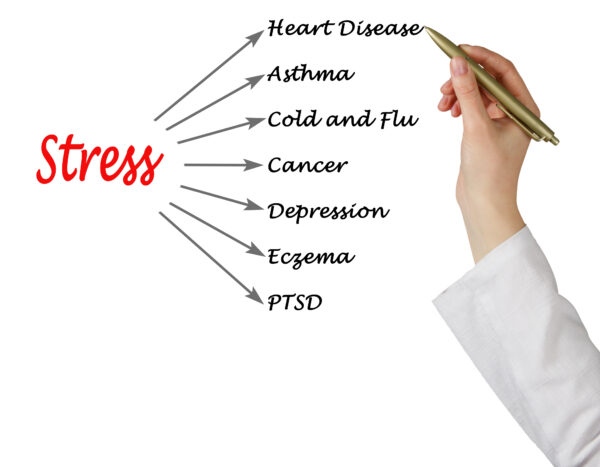
- Stress impacts gut function.
- Gut issues can amplify emotional stress.
It’s a two-way, highly sensitive relationship.
4. Inflammation & Chronic Disease
An unhealthy gut contributes to systemic inflammation, which plays a role in:
- IBS and digestive disorders
- Autoimmune disease
- Skin conditions like acne, psoriasis, eczema
- Joint pain
- Weight gain and metabolic issues
- Cardiovascular disease
- Depression and anxiety
Research continues to show that inflammation begins in the gut, even when symptoms show up elsewhere in the body.
What Disrupts the Microbiome?
Many everyday habits can negatively impact gut health, including:
- Chronic stress
- Poor diet (especially sugar and processed foods)
- Lack of sleep
- Frequent antibiotic use
- Alcohol
- Low-fiber diets
- Sedentary lifestyle
- Toxic emotional environments
Because the microbiome is delicate, even temporary disruptions can affect digestion, mood, immunity, and overall vitality.
Signs Your Microbiome May Be Out of Balance
You may have dysbiosis if you experience:
- Bloating or gas
- Food sensitivities
- Sugar cravings
- Brain fog
- Fatigue
- Trouble sleeping
- Mood swings or anxiety
- Skin breakouts
- Weight fluctuations
- Frequent illness
- Constipation or diarrhea
These symptoms are often misunderstood or dismissed, but your gut is often the first place to look.
How to Restore and Strengthen Your Gut Health
Improving gut health doesn’t have to be overwhelming. Small, intentional habits can make a profound difference.
1. Eat Fiber-Rich, Plant-Diverse Foods
Beneficial bacteria thrive on fiber, particularly:
- Vegetables
- Fruits
- Legumes
- Whole grains
- Nuts and seeds
Aim for a variety of plant foods each week — diversity matters.
2. Incorporate Fermented Foods
These introduce healthy bacteria into your system:
- Sauerkraut
- Kimchi
- Kefir
- Yogurt
- Kombucha
- Miso
Start slowly if you’re new to them.
3. Reduce Sugar & Processed Foods
Sugar feeds harmful bacteria and yeast, which can quickly crowd out the beneficial microbes.
4. Hydrate Properly
Water supports digestion and helps maintain a healthy gut lining.
5. Prioritize Sleep
Your microbiome operates in circadian rhythms, and poor sleep disrupts its balance.
6. Move Your Body Regularly
Exercise has been shown to increase microbial diversity — a key marker of gut health.
7. Manage Stress
This is one of the most important yet often overlooked aspects.
Stress changes the gut’s environment, slows digestion, and alters the balance of microorganisms.
Practices like:
- Breathwork
- Meditation
- Hypnotherapy
- Yoga
- Mindfulness
…help calm the nervous system and restore harmony between the brain and gut.
The Role of Hypnotherapy in Gut Health
Stress is one of the fastest ways to disrupt your microbiome — and one of the hardest habits to break without support.
Hypnotherapy works by:
- Accessing the subconscious mind
- Slowing the nervous system
- Reducing stress hormones
- Helping the digestive system “unclench”
- Improving vagus nerve tone
- Supporting emotional release
- Enhancing mind–body communication
Studies show that hypnotherapy can significantly improve symptoms of IBS, reduce digestive discomfort, and calm the gut-brain axis.
When the mind relaxes, the gut follows.
When the gut heals, the mind becomes clearer.
It’s all one system.
Final Thoughts: You Are a Microbial Ecosystem
Your body is a beautifully complex, interconnected system — and your gut microbiome is one of its most powerful foundations.
A healthy gut means:
✨ better digestion
✨ boosted immunity
✨ improved mood
✨ lower inflammation
✨ balanced hormones
✨ deeper sleep
✨ greater vitality
By taking care of your microbiome, you’re investing in your entire well-being — physically, mentally, and emotionally.